Unite Teams is the program for teams that want to understand their patterns and redesign how they work together
at the moments that matter.
A strong moment for Unite
The team is facing a new phase, assignment or significant change
There is willingness to look at how the team works — not only at what it produces
Collaboration costs more energy than it yields, but the team wants to turn that around
There has been a merger or reorganisation and people still have to land in the new reality
A manager wants to understand what the team dynamics look like outside the meeting room
A new team needs to find its strength quickly
A less suitable moment
The aim is relaxation or reward without any intention to develop
The team has no mandate to change anything about how it works
Participation is completely compulsory, with no room for ownership of the learning goals
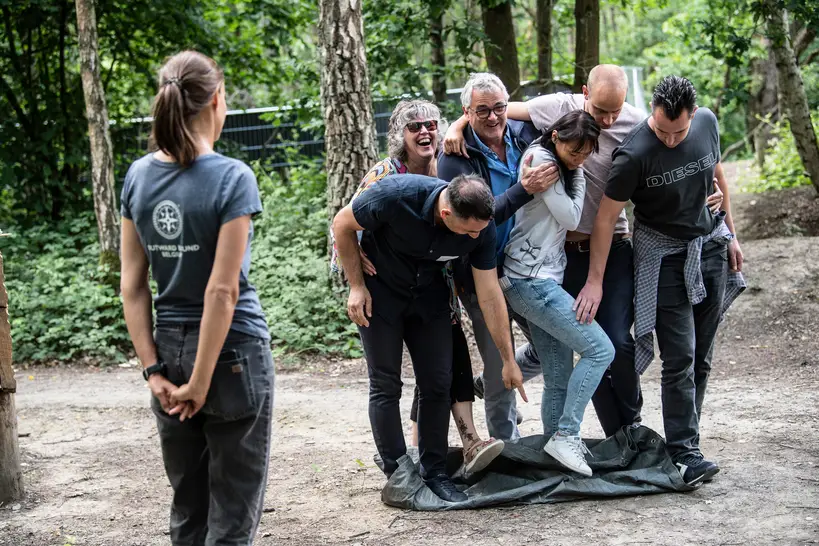
Not sure whether this is the right moment? That is a good conversation to have. We are happy to think along with you.
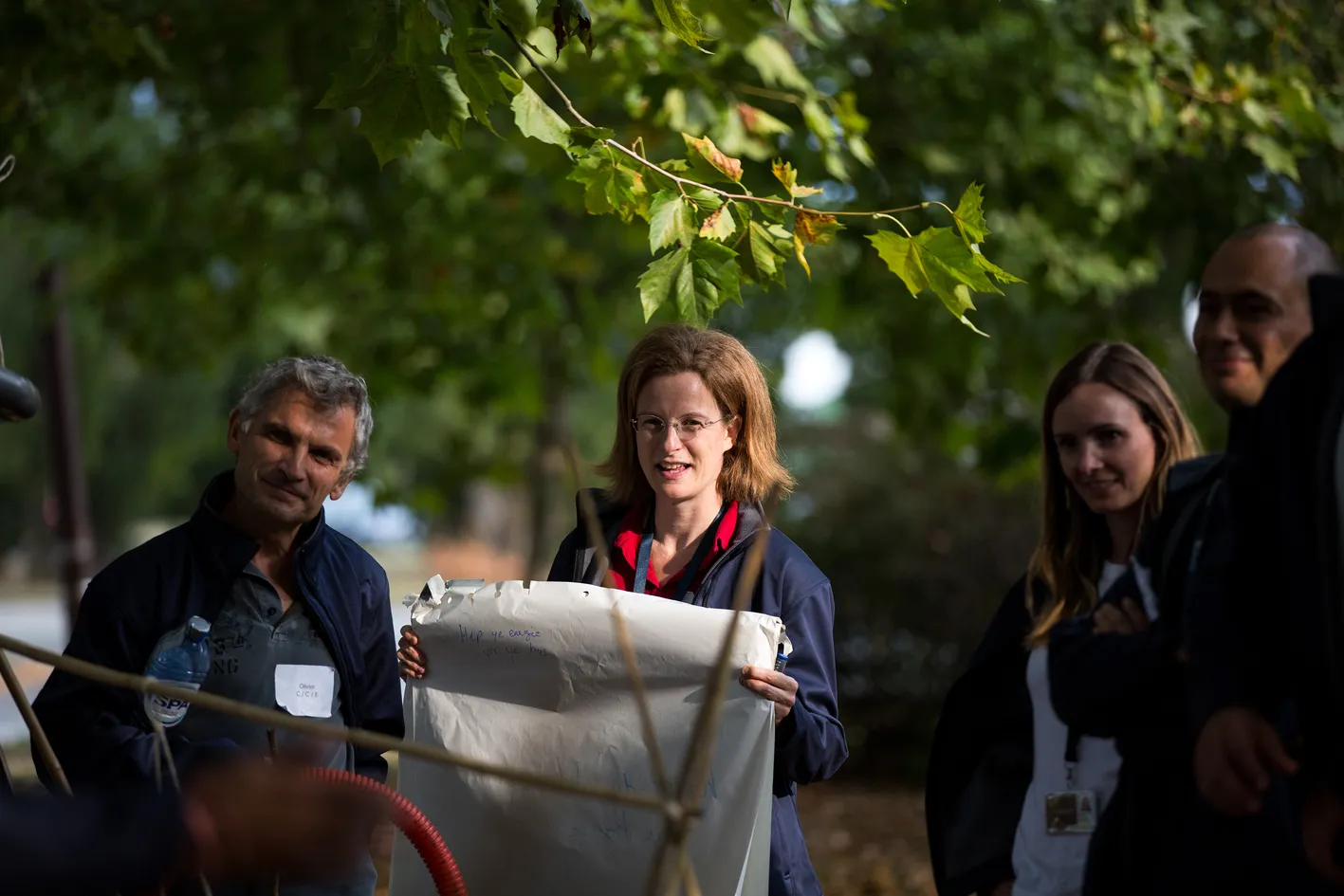
A new project team needs to find its strength quickly
Good people, a complex assignment, a long time horizon. They don't really know each other yet. Investing early in that foundation makes the difference between a team that gets on course quickly and one that needs months to find its way of working.

A merger or reorganisation needs to land
People work together formally in a new structure. But trust does not grow out of organisation charts. That quiet phase — in which everyone looks for something to hold on to and makes decisions before there has been room to talk — needs guidance.
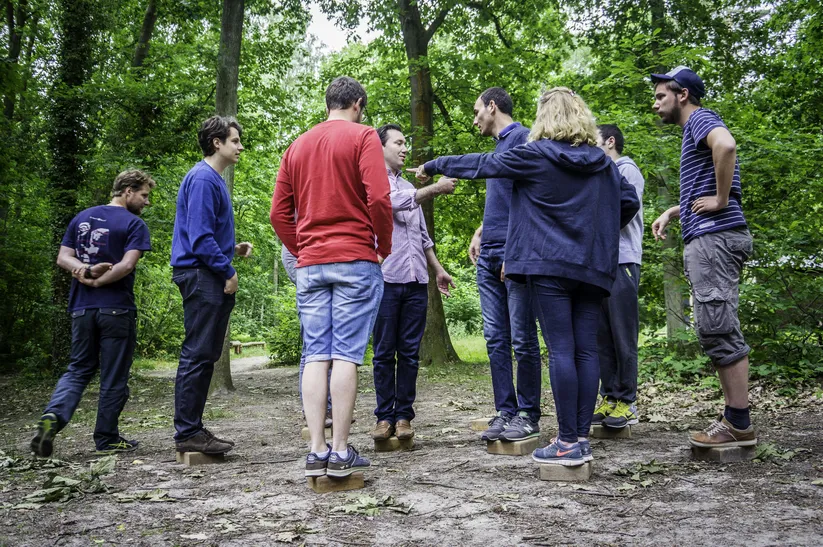
The team keeps circling the same issues
The results are there. But the energy it takes is too high. Alignment costs too much time. Somewhere something is leaking away — and nobody knows exactly where.

Team cohesion is under pressure
People work next to each other instead of with each other. There is hardly any informal connection. The team functions, but it feels fragile — especially under pressure or when things go wrong.
Why patterns keep coming back
What organisations rarely say out loud to themselves: they have known for a long time what is causing friction. The names of the patterns are known to everyone close to them. But the context to make them discussable is missing.
A workshop in a hotel room tends to confirm the hierarchy and the caution that keep the problem in place. What is needed is a situation that is robust enough to carry real tension — and safe enough to do something with it.
Patterns do not change by talking about them. They change when people recognise them in real situations — and then choose to act differently.
Many providers work on collaboration and team dynamics. The difference lies
not in the themes — they overlap — but in how the learning takes place.
How a program is built
Onboarding
01
Intake & design. Shared framework, clear learning focus, introducing the way of working.
Development sprint
02
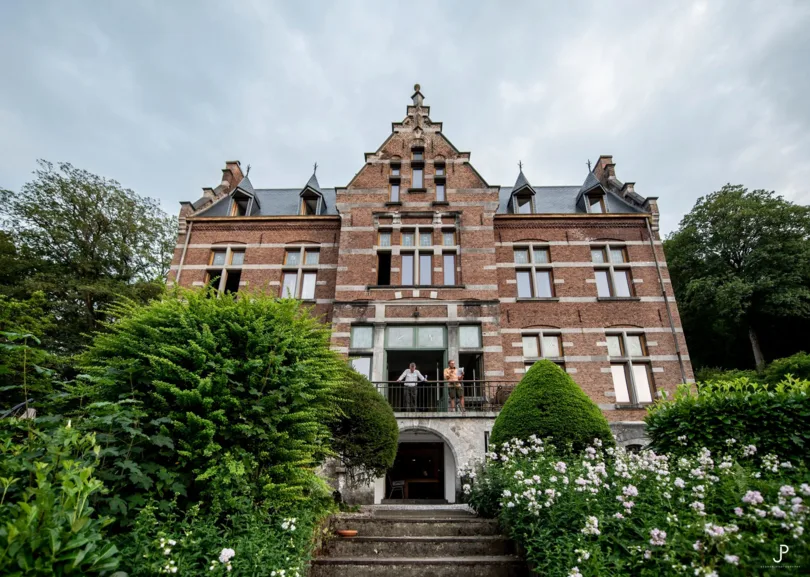
Residential experiential learning
@ Château Varoy. The core of the program.
Transfer
03
Insights are fed back into the daily work context.
Integration
04
Follow-up and embedding. What concretely changes in how the team works?
From multinationals to SMEs, from universities to social organisations.

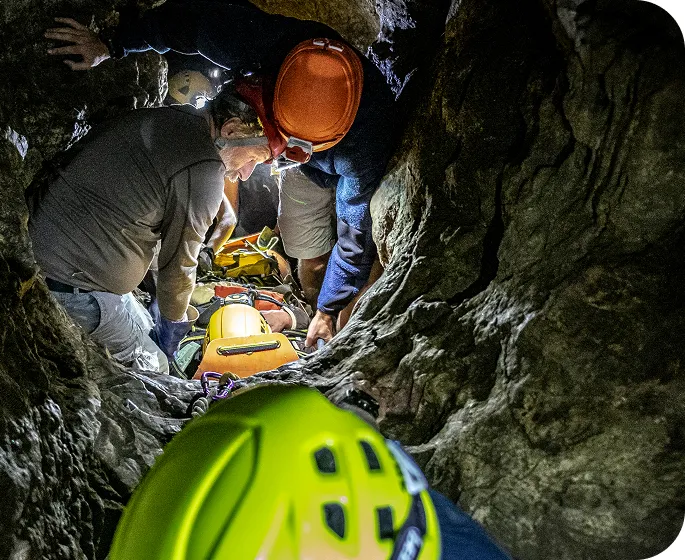
What underpins this
Unite stands on a foundation of decades of research. Edgar Schein describes teamwork along three axes — task, process and relationship — which feed each other and all three require attention. Amy Edmondson showed that psychological safety is the strongest predictor of team performance: it does not grow out of fun activities, but out of shared experiences in which people put themselves at stake and notice that this is safe.
That is exactly the context Unite organises.
More on how teams learn

Ready to take the next step?
If you recognise yourself in one of these situations, the most useful thing you can do now is not to read on — but to have a conversation. We listen first to what is going on, and then look together at whether and how Unite can add something.